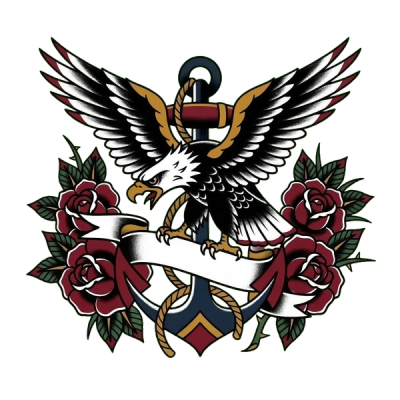
American Traditional
Characterized by bold black outlines, a limited colour palette (red, green, yellow, blue), and iconic imagery like anchors, swallows, and roses. Rooted in sailor culture from the early 20th century, championed by artists like Sailor Jerry.
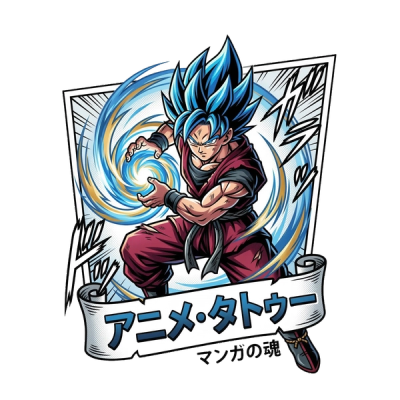
Anime / Manga
Directly inspired by Japanese animation and comic books, featuring vibrant colours, expressive characters, and dynamic action poses. This relatively modern style celebrates otaku culture and iconic fandoms.
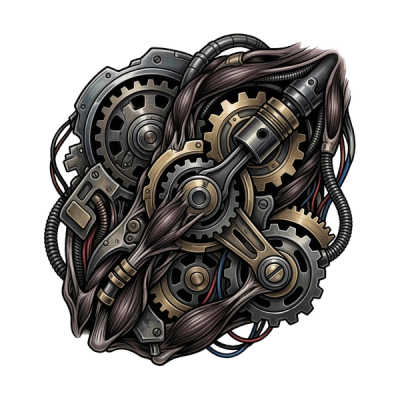
Bio-Mechanical
Blends human anatomy with mechanical, robotic, or alien elements to create the illusion of machinery beneath the skin. Heavily inspired by the surrealist art of H.R. Giger and popularised in the 1980s.
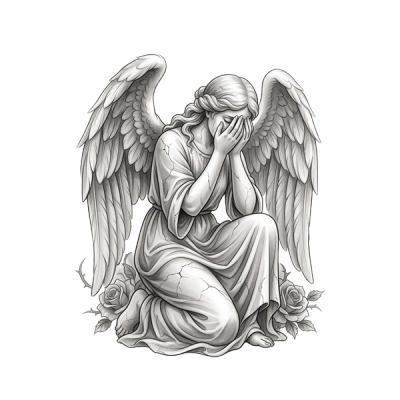
Black and Grey
Utilises heavily diluted black ink (wash) to create a wide spectrum of shading without using colour. Originating in prison systems where colour inks were unavailable, it evolved into a highly detailed and smooth aesthetic.
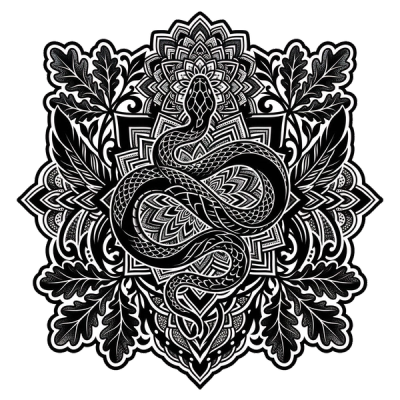
Blackwork
Relies solely on solid black ink to create intricate geometric patterns, heavy tribal elements, or high-contrast illustrations. It encompasses everything from ancient tribal traditions to modern graphic design.
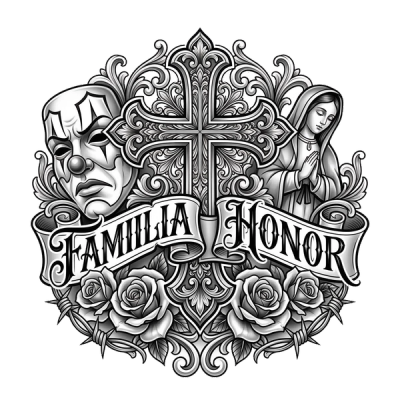
Chicano
Born out of Mexican-American culture in Los Angeles and the prison system, featuring smooth black and grey shading. Common motifs include religious icons, beautifully scripted lettering, lowriders, and Chicano heritage.
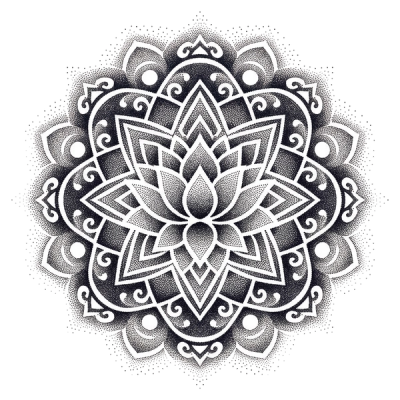
Dotwork
Composed entirely of tiny dots rather than solid lines or shading, requiring immense precision. Often used for mandalas and geometric pieces, it has roots in ancient hand-poked tattoo methods.
Fine Line
Uses a single needle or small needle groupings to create delicate, incredibly thin lines. It allows for elegant, highly detailed, and subtle designs that look more like a fine pencil drawing than a traditional tattoo.

Geometric
Focuses on perfect lines, shapes, and symmetry to create complex mathematical patterns. Often deeply tied to sacred geometry, representing balance and harmony in nature.

Ignorant Style
Characterised by intentionally crude, simple, and unpolished linework resembling graffiti doodles or amateur sketches. Pioneered by French graffiti artist Fuzi UVTPK, it relies heavily on humour and irony.

Illustrative
Blends elements of traditional tattooing with the techniques of fine art illustration, often looking like an etching, engraving, or book illustration. It is highly versatile, combining solid outlines with expressive shading.

Japanese (Irezumi)
A deeply historical style steeped in Japanese mythology, featuring full-body suit compositions with motifs like koi fish, dragons, and cherry blossoms. It balances bold, colourful subjects with intricate background elements like wind bars and waves.

Lettering
Focuses on the art of typography and script, ranging from elegant cursive and calligraphy to bold, gothic fonts. It is often used to memorialise names, quotes, or important dates.

Minimalist
Strips the design down to its most basic elements, using crisp lines, negative space, and a lack of shading. It focuses on conveying a concept or subject as simply and cleanly as possible.

Neo-Traditional
An evolution of American Traditional, maintaining bold outlines but incorporating a wider colour palette, varying line weights, and more complex, highly decorative subjects. It often features Art Nouveau and Art Deco influences.

New School
Emerged in the 1970s and 80s, heavily influenced by pop culture, comic books, and graffiti. It features exaggerated, caricatured proportions, vivid colours, and a highly animated, 3D-like aesthetic.

Ornamental
Focuses on decorative patterns meant to adorn the body like permanent jewellery or lace, often emphasising symmetry and flow. It draws heavy inspiration from Mehndi (henna), mandala art, and traditional decorative crafts.

Realism
Aims to replicate a photograph or real-life object with complete accuracy, often lacking hard outlines. It relies on advanced shading techniques and contrast to create 3D depth, available in both black and grey or full colour.

Sketch
Mimics the rough, unfinished look of an artist's sketchbook, complete with overlapping lines, construction marks, and loose shading. It captures a sense of raw energy, movement, and creative process.

Stick and Poke
Applied manually using a needle attached to a stick or grip, without the use of an electric machine. This traditional, ancient method has seen a modern resurgence, known for its distinct, slightly organic dotted look.

Surrealism
Depicts dream-like, bizarre, or illogical scenes, blending unrelated elements to challenge reality. Inspired by artists like Salvador Dalí, it relies on imagination and often incorporates elements of realism twisted into strange concepts.

Trash Polka
A chaotic, collage-like style that mixes realistic portraits with abstract elements, graphic design, and heavy text. Originating in Germany, it strictly uses only black, grey, and striking red ink.

Tribal
One of the oldest tattoo styles, rooted in indigenous cultures (like Polynesian, Maori, and Samoan) to mark social status, rites of passage, or protection. It features bold, sweeping black lines and solid geometric forms.

Watercolor
Mimics the appearance of watercolour paintings, with splashes, streaks, and soft blends of vibrant colours. It typically lacks harsh black outlines, focusing on the fluid, freeform spread of ink across the skin.
